LingerieForum

๐Ÿฅ‘ Vulva

Different types of Vulvas

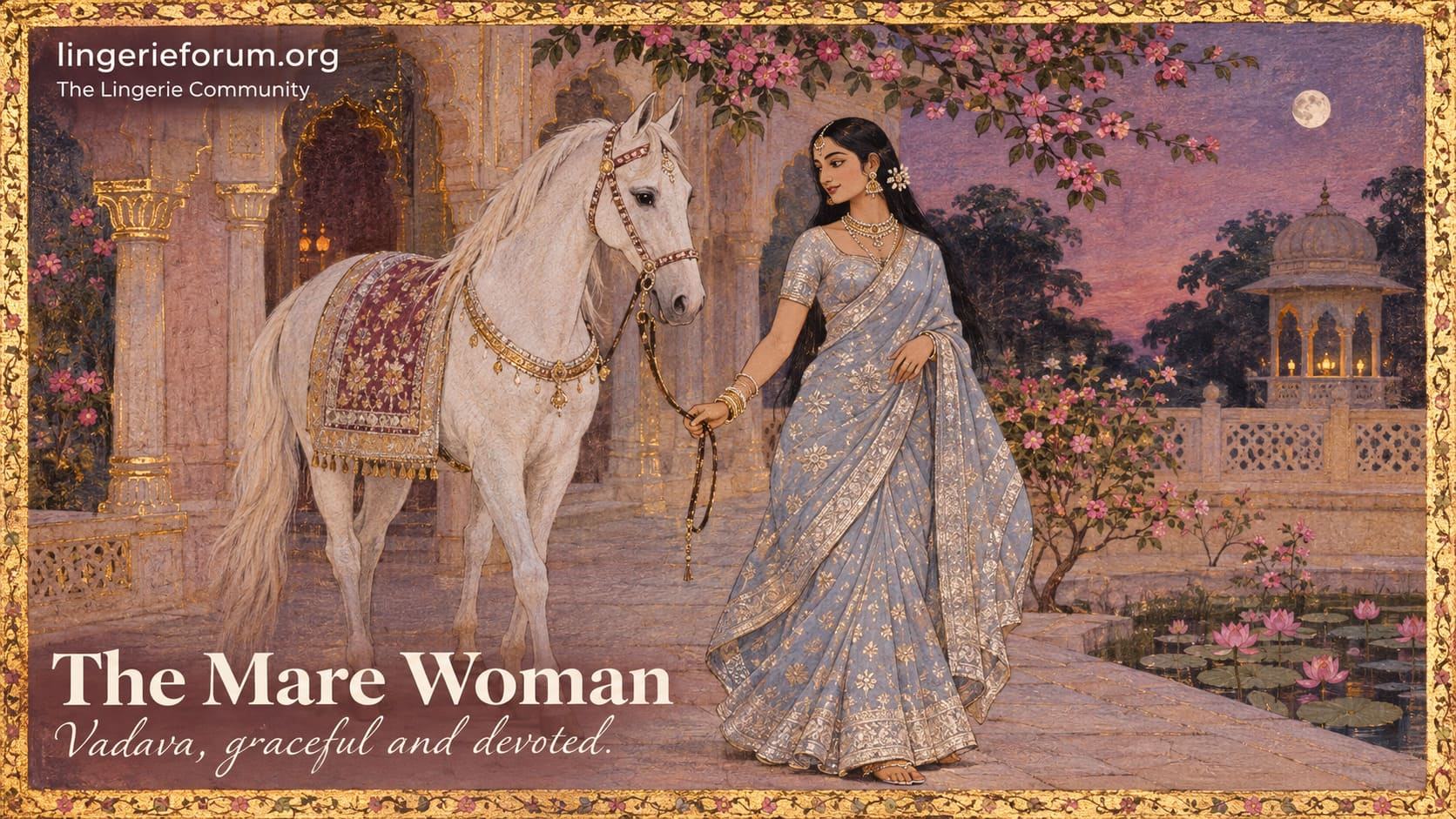
A woman in a classical Indian miniature painting with long straight hair beside a white mare in a palace courtyard.

The Mare Woman (Vadava): Graceful, Easy-Living and Devoted

The second of the Kama Sutra's three kinds of woman is the mare, Vadava or Ashvini. The Ananga Ranga paints her with long straight hair, eyes "like the petals of the dark lotus", a graceful walk, a love of sleep and good living, and a heart "affectionate to her husband". Where she comes from and what the old books say about her.

Editorialยท7d agoโค๏ธ 0๐Ÿ’ฌ 0
A woman in a classical Indian miniature painting in a forest glade with a deer beside her, curly black hair, dark eyes.

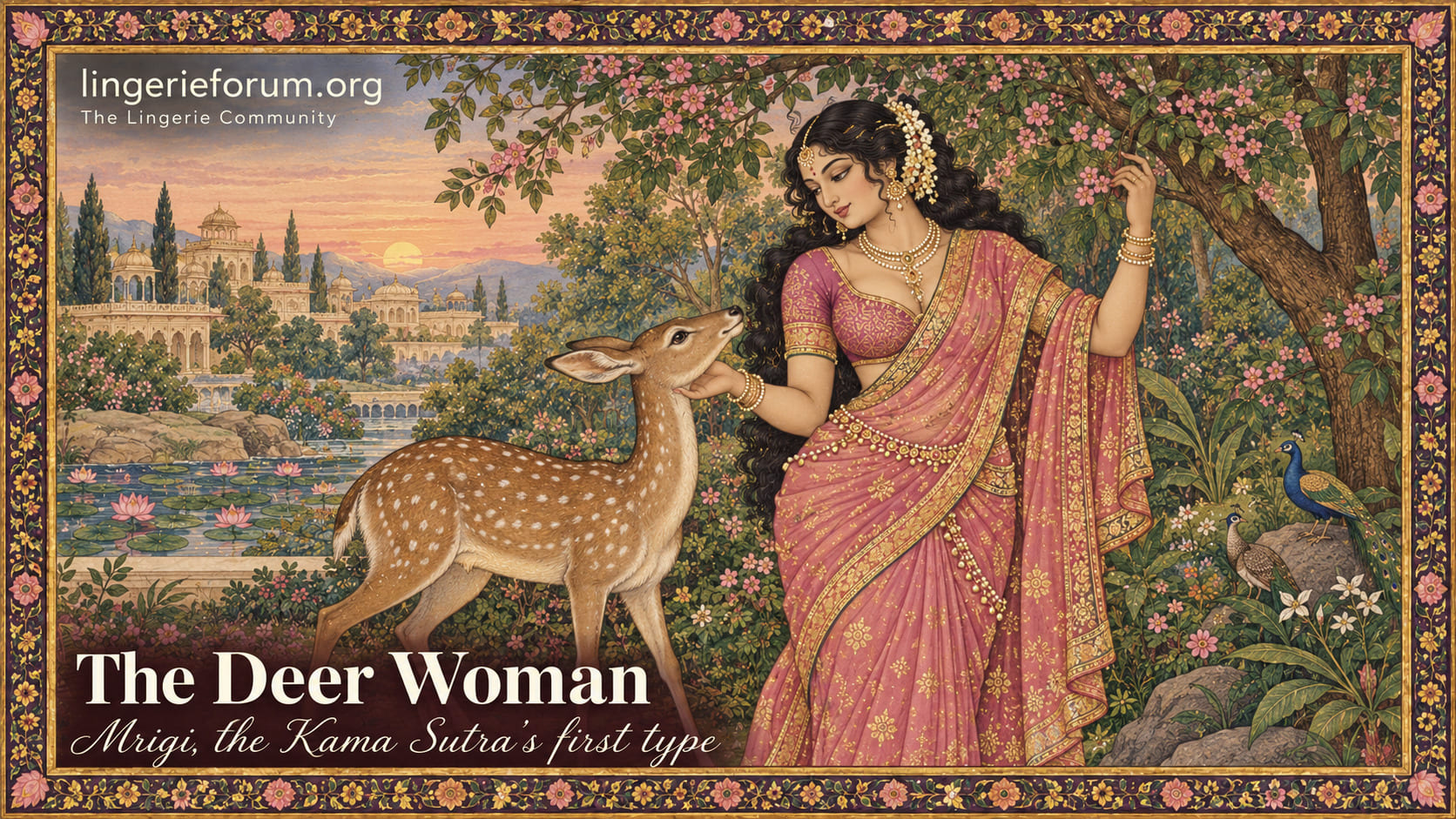
The Deer Woman (Mrigi): The Kama Sutra's First Type of Woman

The Kama Sutra sorts women into three kinds, the deer, the mare and the elephant, and the later Ananga Ranga gives each a portrait. The Deer woman is delicate, curly-haired, dark-eyed, "affectionate", "active in mind" and "much addicted to the pleasure of love". Where the types come from and what the old books say about her.

Editorialยท8d agoโค๏ธ 0๐Ÿ’ฌ 0
A woman in a classical Indian miniature painting riding a decorated elephant through a festival crowd, laughing.

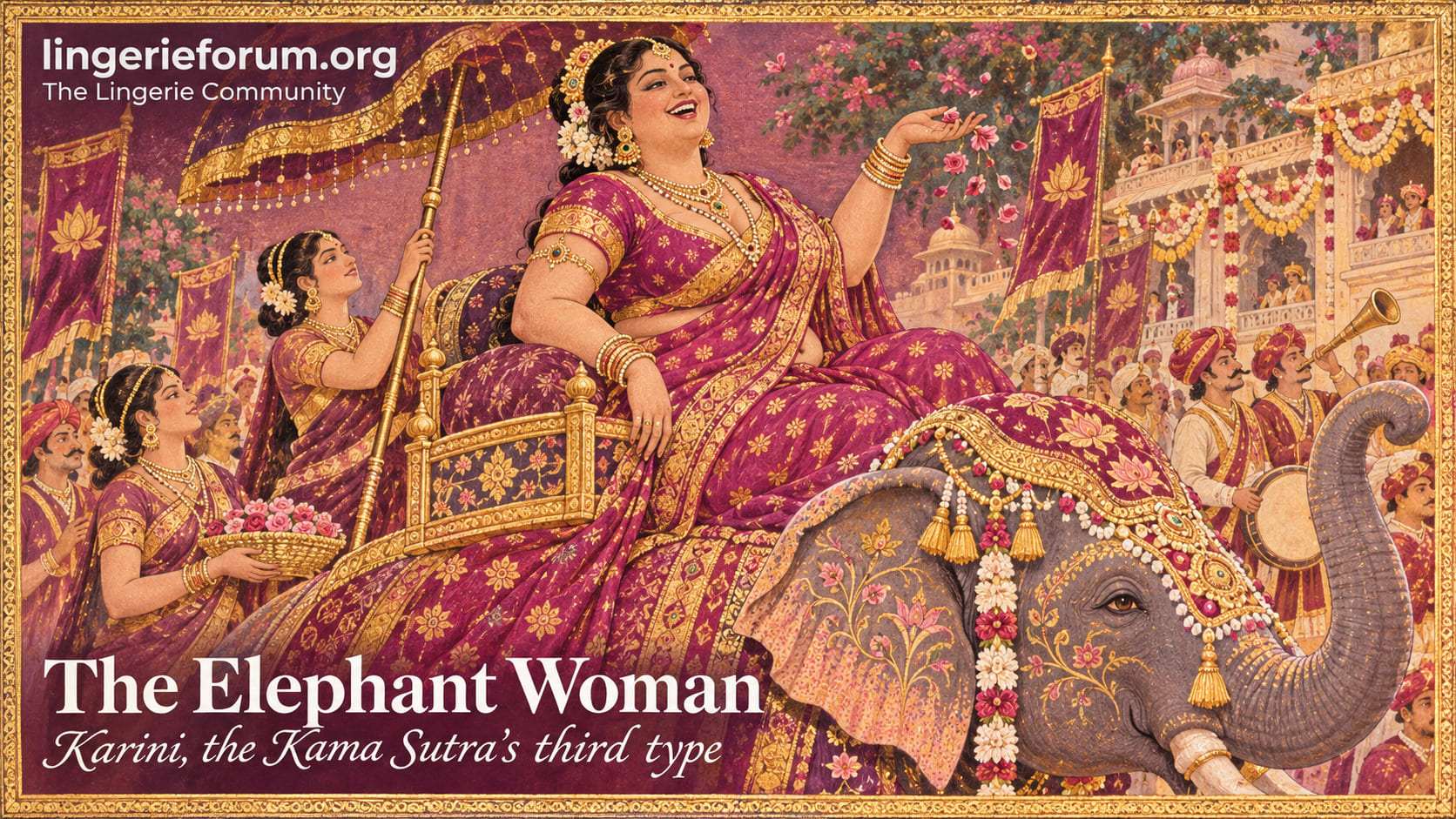
The Elephant Woman (Karini): The Kama Sutra's Third Type

The third of the Kama Sutra's three kinds of woman is the female elephant, Karini, the deepest of the three and the natural match for the horse man. What the Kama Sutra says, what the Ananga Ranga's portrait keeps once its harsher lines are set aside (big appetites, passion, abundance), and why the elephant is a compliment in Indian tradition.

Editorialยท6d agoโค๏ธ 0๐Ÿ’ฌ 0
Seven small classical Indian miniature-style paintings in a row, each a woman with her emblem: a lotus, a veena, a conch, an elephant, a deer, a mare and a second elephant.

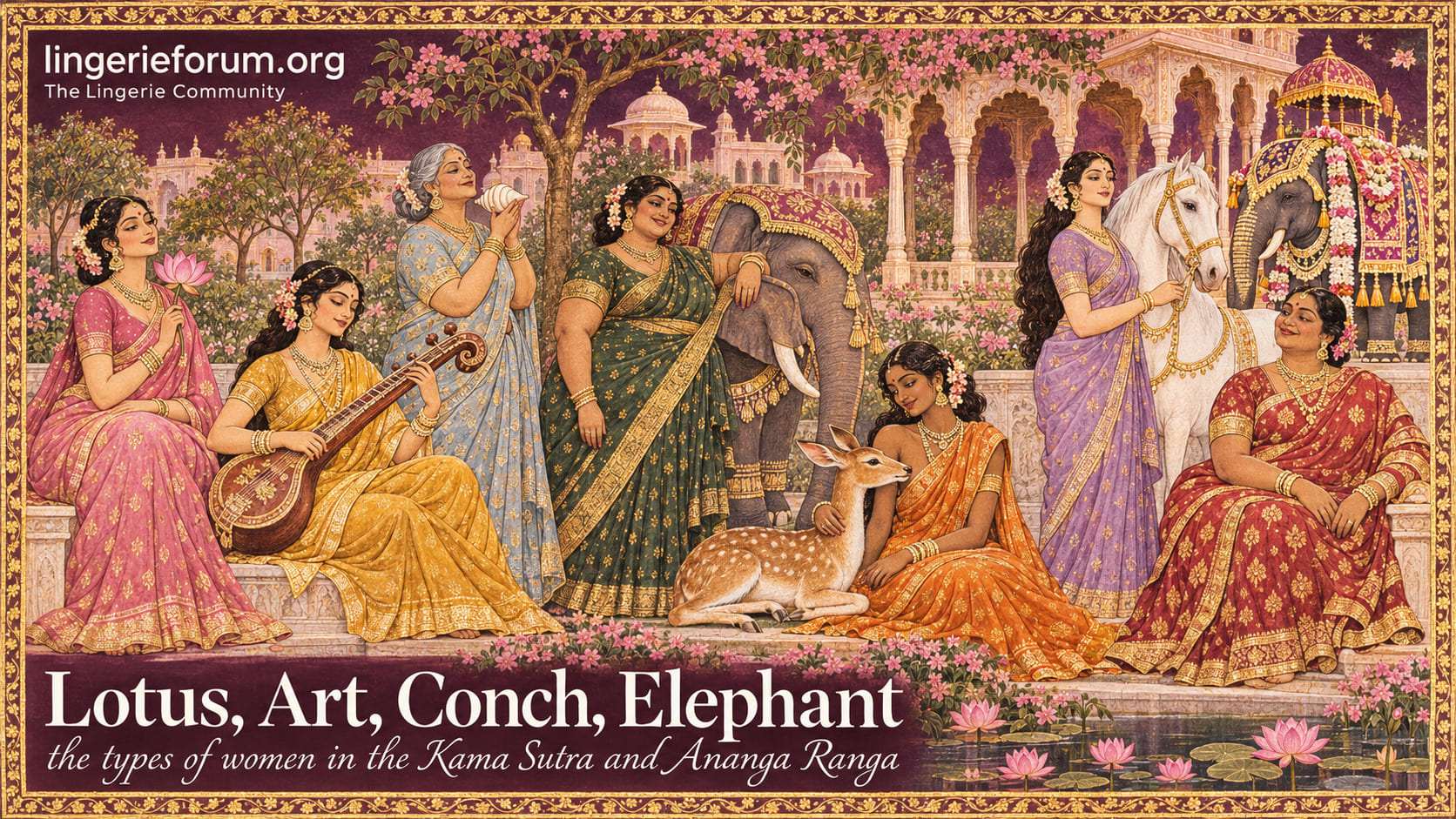
Lotus, Art, Conch, Elephant: The Types of Women in the Kama Sutra and Ananga Ranga

The real, centuries-old folklore of women's types: the four orders of the Ananga Ranga (Lotus, Art, Conch and Elephant women) and the Kama Sutra's three kinds (Deer, Mare and Elephant), with the body, voice, yoni and temperament each is given. Where the books come from, how the two schemes fit together, what we left out, and the books' own admission that nobody is one type.

Editorialยท5d agoโค๏ธ 0๐Ÿ’ฌ 0
A woman in a classical Indian miniature painting in a red sari with red flowers in her hair, holding a conch shell.

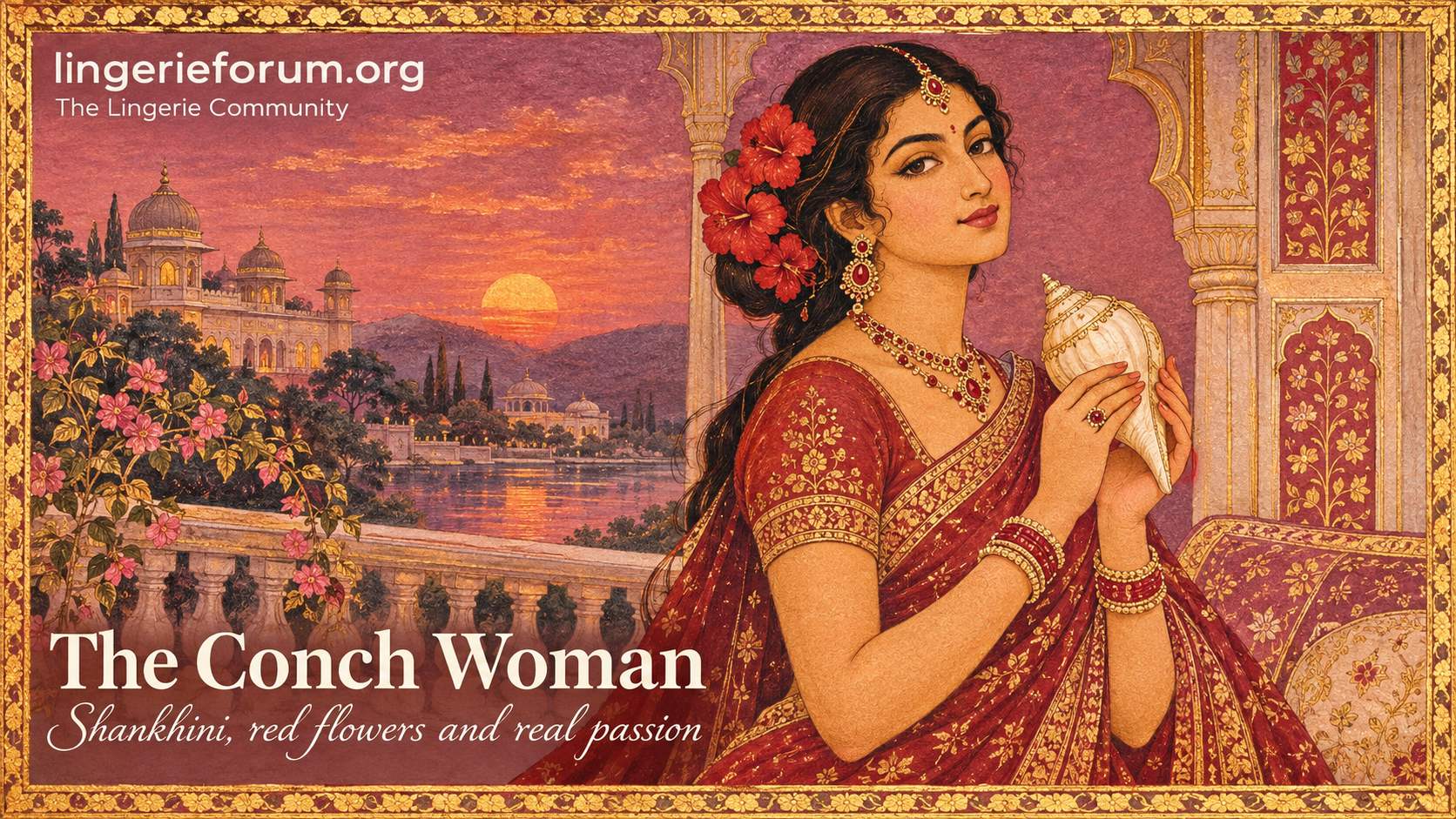
The Conch Woman (Shankhini): Red Flowers and Real Passion

In the Ananga Ranga, the Shankhini or Conch-woman is the third of the four women: warm-skinned, deep-voiced, quick on her feet, in love with red clothes, red flowers and red ornaments, and given to "fits of amorous passion". Who she is in the book, what we kept and what we left out, and why her description reads today like a woman who simply knows what she wants.

Editorialยท10d agoโค๏ธ 0๐Ÿ’ฌ 0
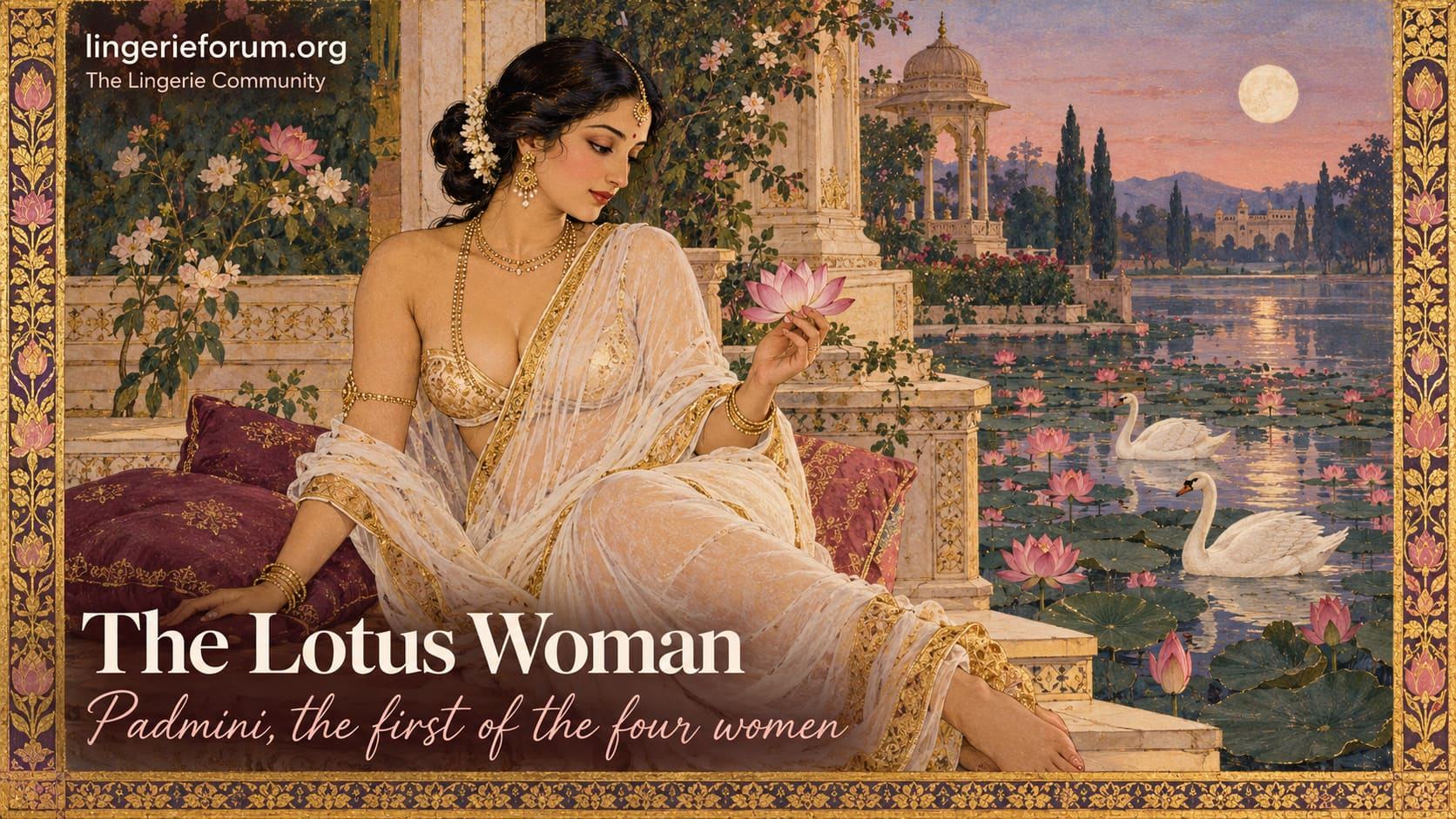
A woman in a classical Indian miniature painting holding an open lotus beside a moonlit pond.

The Lotus Woman (Padmini): The First of the Four Women

In the Ananga Ranga, a fifteenth- or sixteenth-century Indian love manual, the Padmini or Lotus-woman comes first: a face like the full moon, a voice like the kokila bird, and a yoni that "resembles the open lotus-bud". Who she is in the book, what it says about her tastes and temperament, and why she is the most famous of the four.

Editorialยท12d agoโค๏ธ 0๐Ÿ’ฌ 0
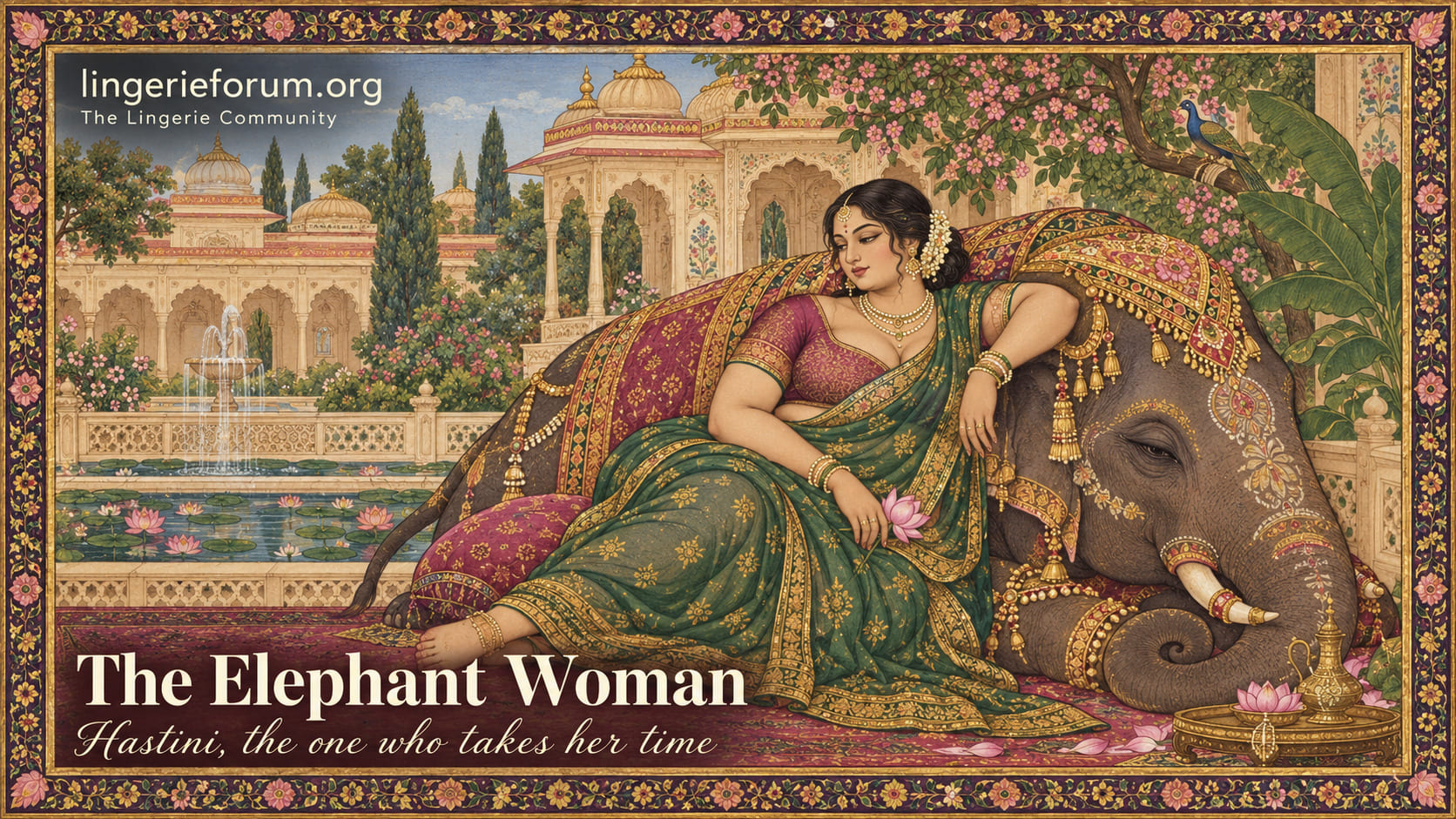
A woman in a classical Indian miniature painting resting against a decorated elephant in a garden, relaxed and unhurried.

The Elephant Woman (Hastini): The One Who Takes Her Time

In the Ananga Ranga, the Hastini or Elephant-woman is the fourth of the four women: named after the "handed one", the elephant, and described as slow, sensual and happiest with lovemaking that lasts a long time. Who she is in the book, what we left out of a harsh old text, and why "the longer the better" might be the best line in it.

Editorialยท9d agoโค๏ธ 0๐Ÿ’ฌ 0
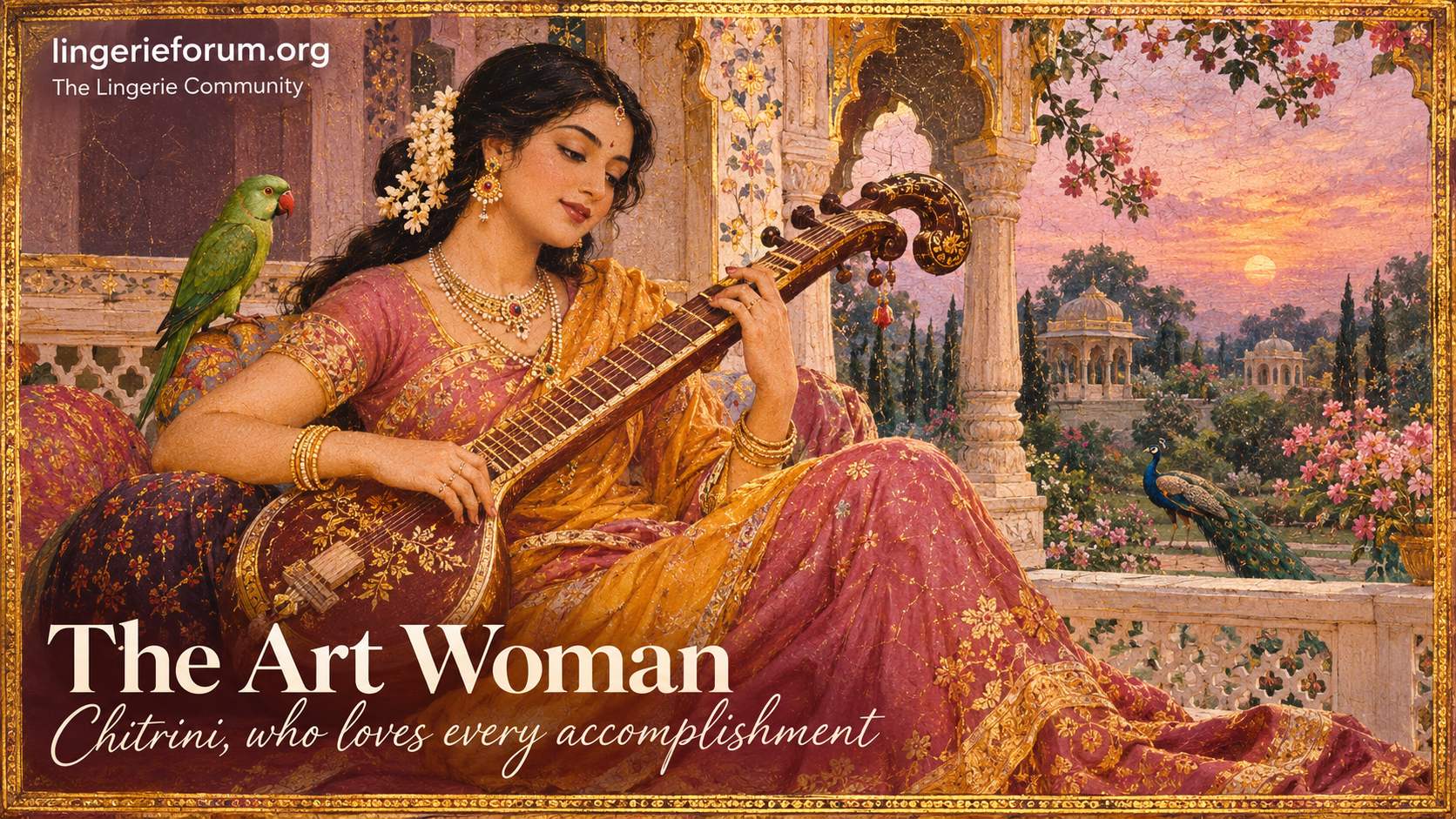
A woman in a classical Indian miniature painting playing a veena on a terrace, a green parrot perched beside her.

The Art Woman (Chitrini): Songs, Pets and Every Accomplishment

In the Ananga Ranga the Chitrini, or Art-woman, is the second of the four women: of middle height, with bee-black hair and a voice like a peacock, she "delights in singing and in every kind of accomplishment" and loves her parrots and birds. Who she is, what the book says about her body and her yoni, and why she may be the most likeable of the four.

Editorialยท11d agoโค๏ธ 0๐Ÿ’ฌ 0
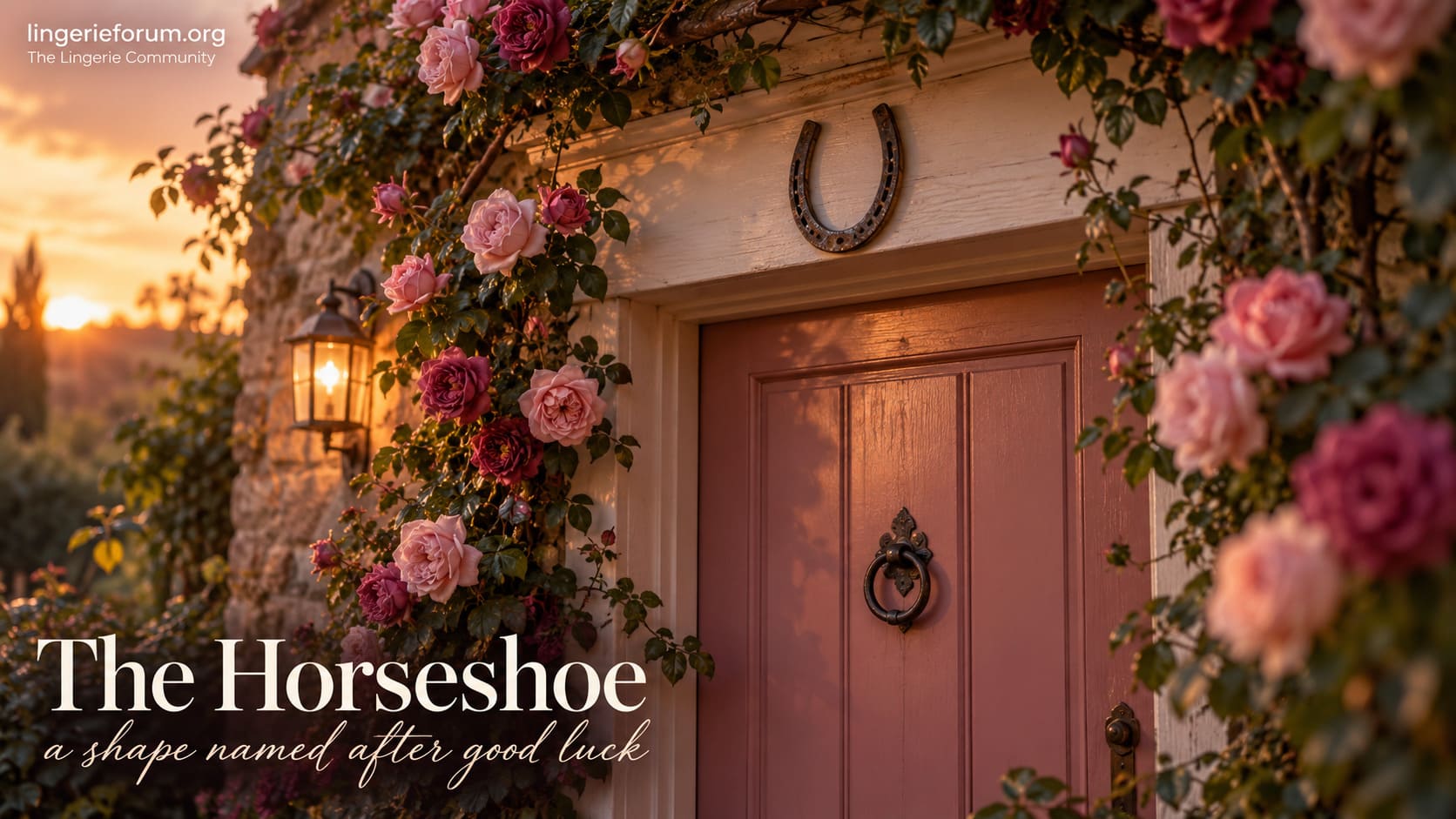
An old iron horseshoe hung points-up above a rose-painted cottage door, warm evening light.

The Horseshoe Vulva: A Shape Named After Good Luck

The horseshoe is the vulva shape where the outer lips open wider at the top, showing the inner lips there, and meet again towards the bottom. Where the name comes from, how to recognise it, and the folklore of the horseshoe itself, from iron that kept away evil spirits to the saint who nailed one to the Devil's foot, plus the old and disputed idea that the lucky horseshoe was always a goddess symbol.

Editorialยท16d agoโค๏ธ 0๐Ÿ’ฌ 0
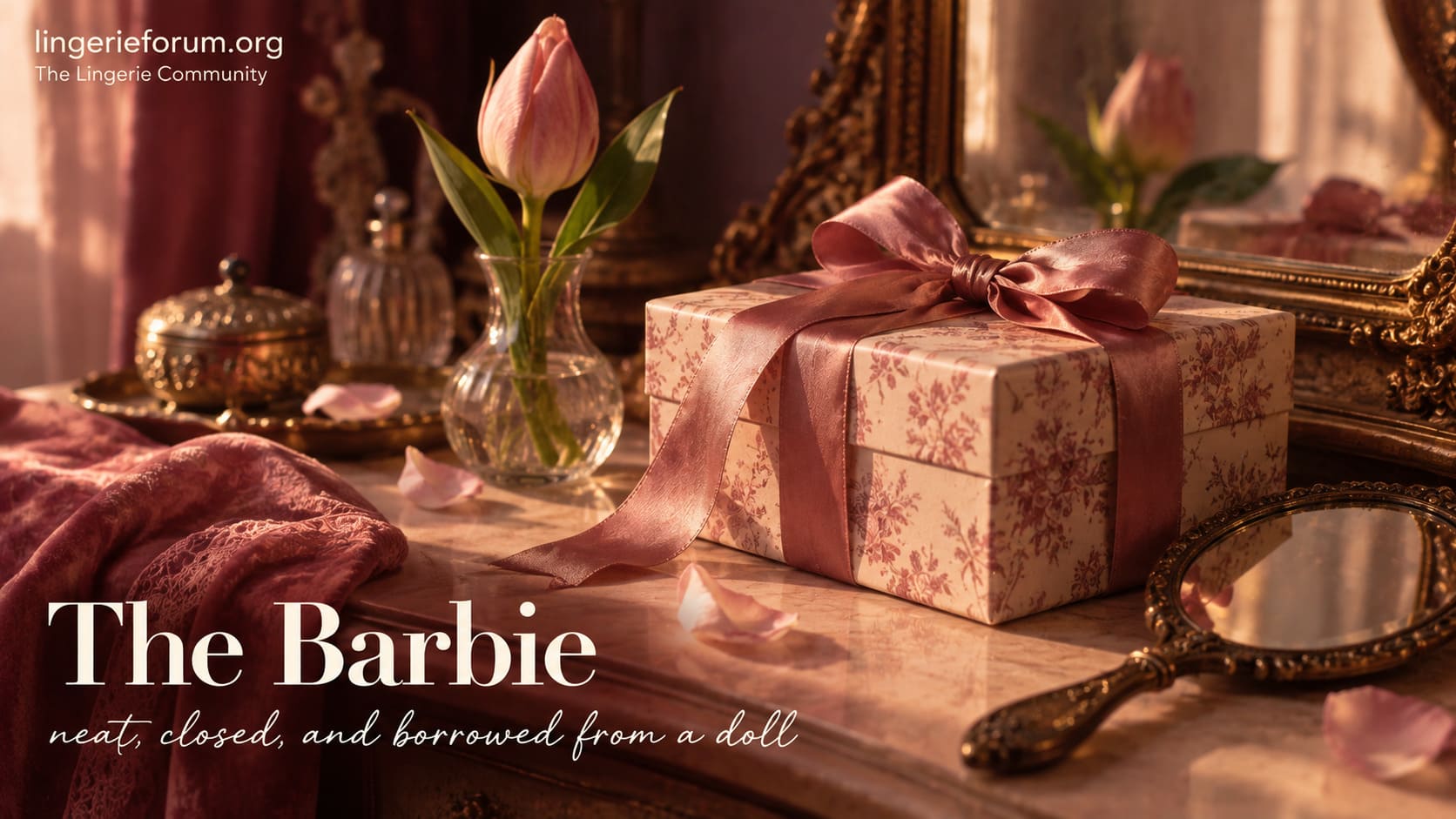
A vintage-style cream and rose gift box tied with a satin ribbon, on a dressing table beside a hand mirror.

The Barbie Vulva: Neat, Closed, and Borrowed From a Doll

The Barbie is the vulva shape where the inner lips are completely contained within the outer lips, so only the outer lips show. Where the name comes from (a doll that has no anatomy at all), how to recognise it, why other languages call it the closed eye, and why it is one shape among five and not a goal.

Editorialยท14d agoโค๏ธ 0๐Ÿ’ฌ 0
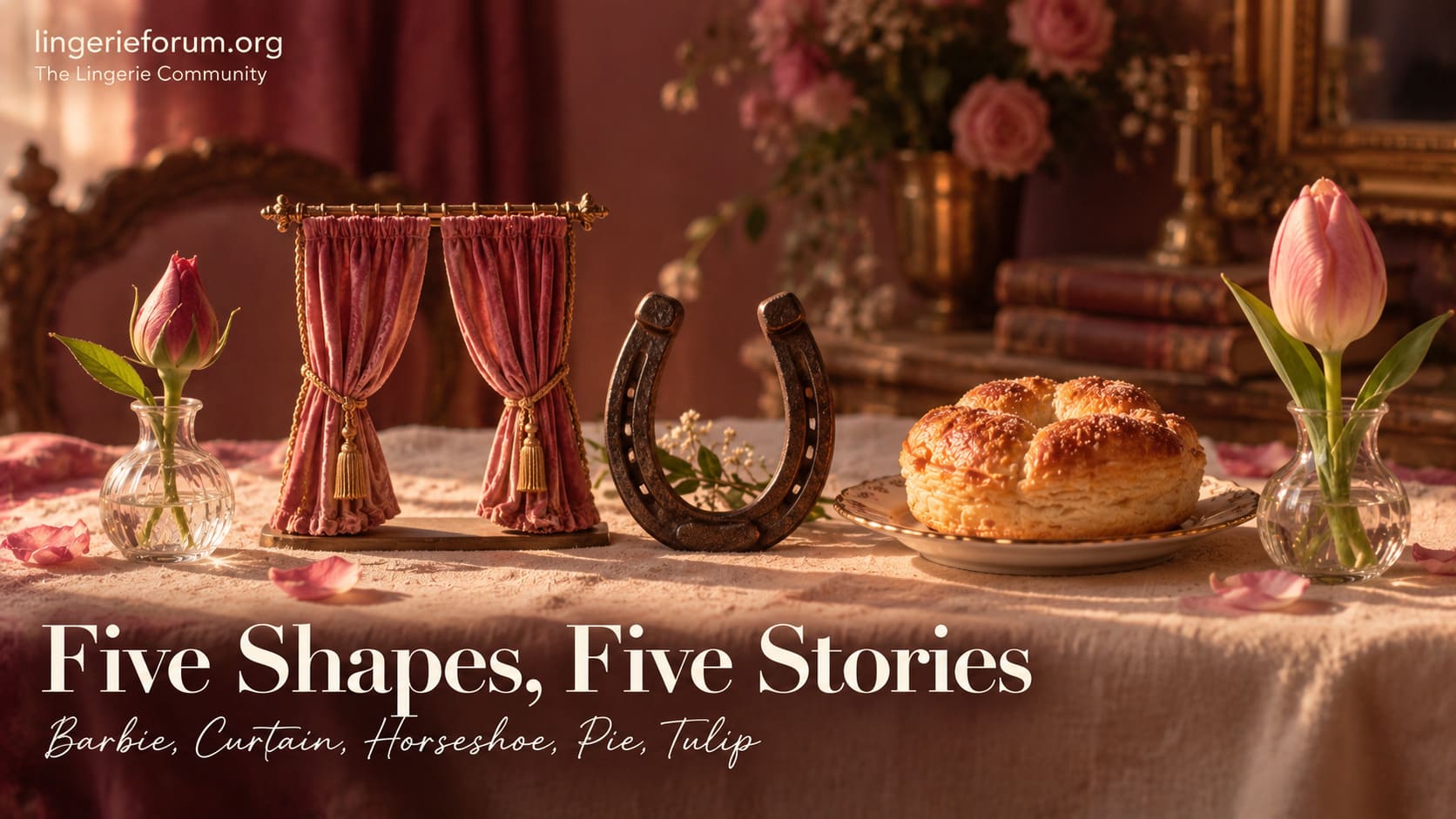
Five symbolic still lifes in a row: a tulip bud, open velvet curtains, an iron horseshoe, a puff pastry, and a closed rosebud.

Barbie, Curtain, Horseshoe, Pie, Tulip: The Five Vulva Shapes and Their Stories

The five vulva shape names everyone has seen on a chart, what each one describes, how to find yours with a mirror, and the surprising truth about where the names come from: not ancient folklore but a bikini waxer in 2017. Plus the much older stories of cultures that praised the vulva, from a Sumerian goddess singing about her own body to the laughter that brought back the spring.

Editorialยท13d agoโค๏ธ 0๐Ÿ’ฌ 0
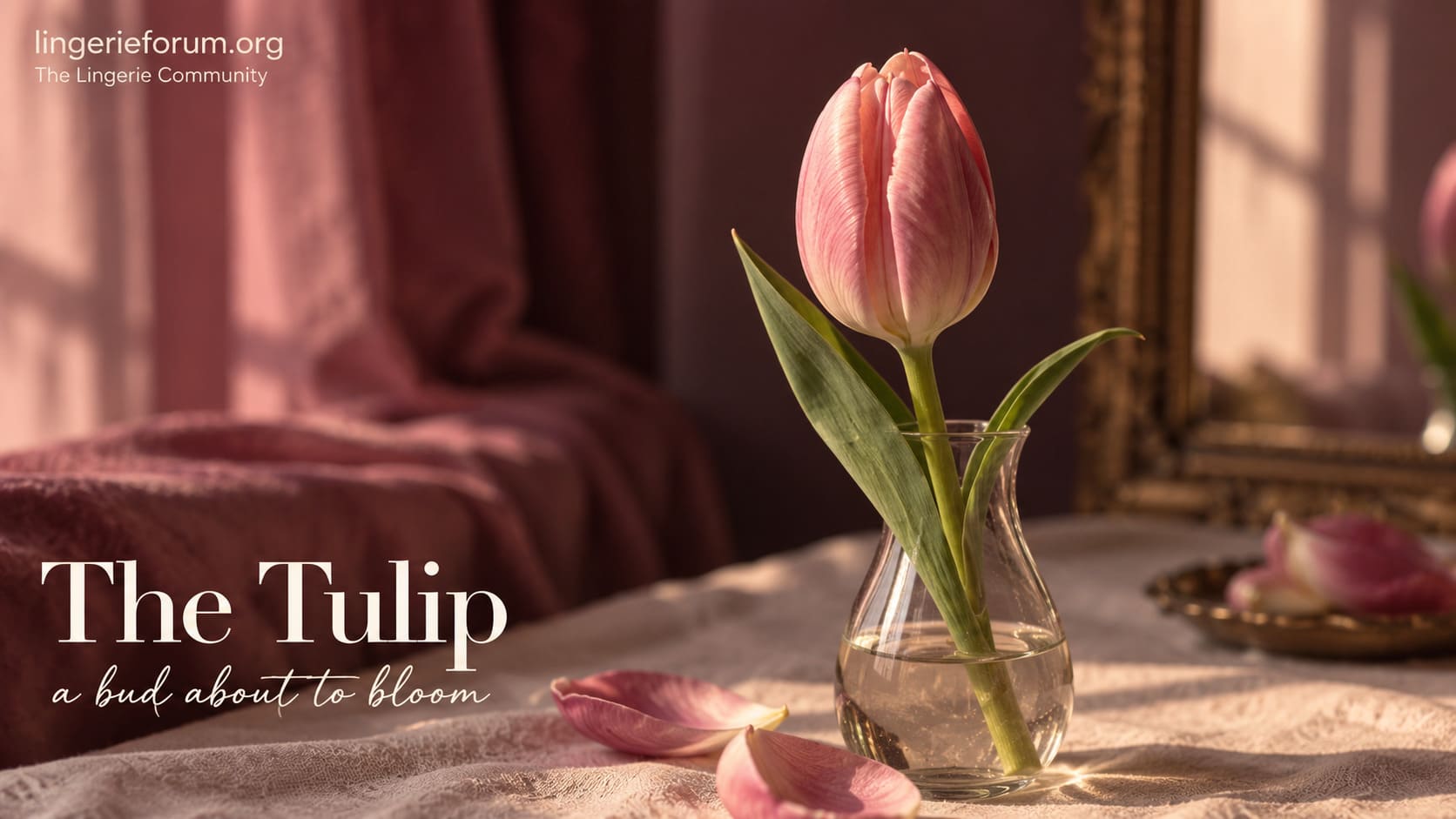
A single rose-pink tulip bud just beginning to open, in soft window light on a cream linen table.

The Tulip Vulva: A Bud About to Bloom

The tulip is the vulva shape where the inner lips show slightly all the way along, held within the outer lips like the petals of a bud about to open. Where the name comes from, how to recognise it, and the long, lovely history of comparing the vulva to a flower, from the lotus-bud of an Indian classic to Georgia O'Keeffe, who said her flowers were only flowers.

Editorialยท18d agoโค๏ธ 0๐Ÿ’ฌ 0
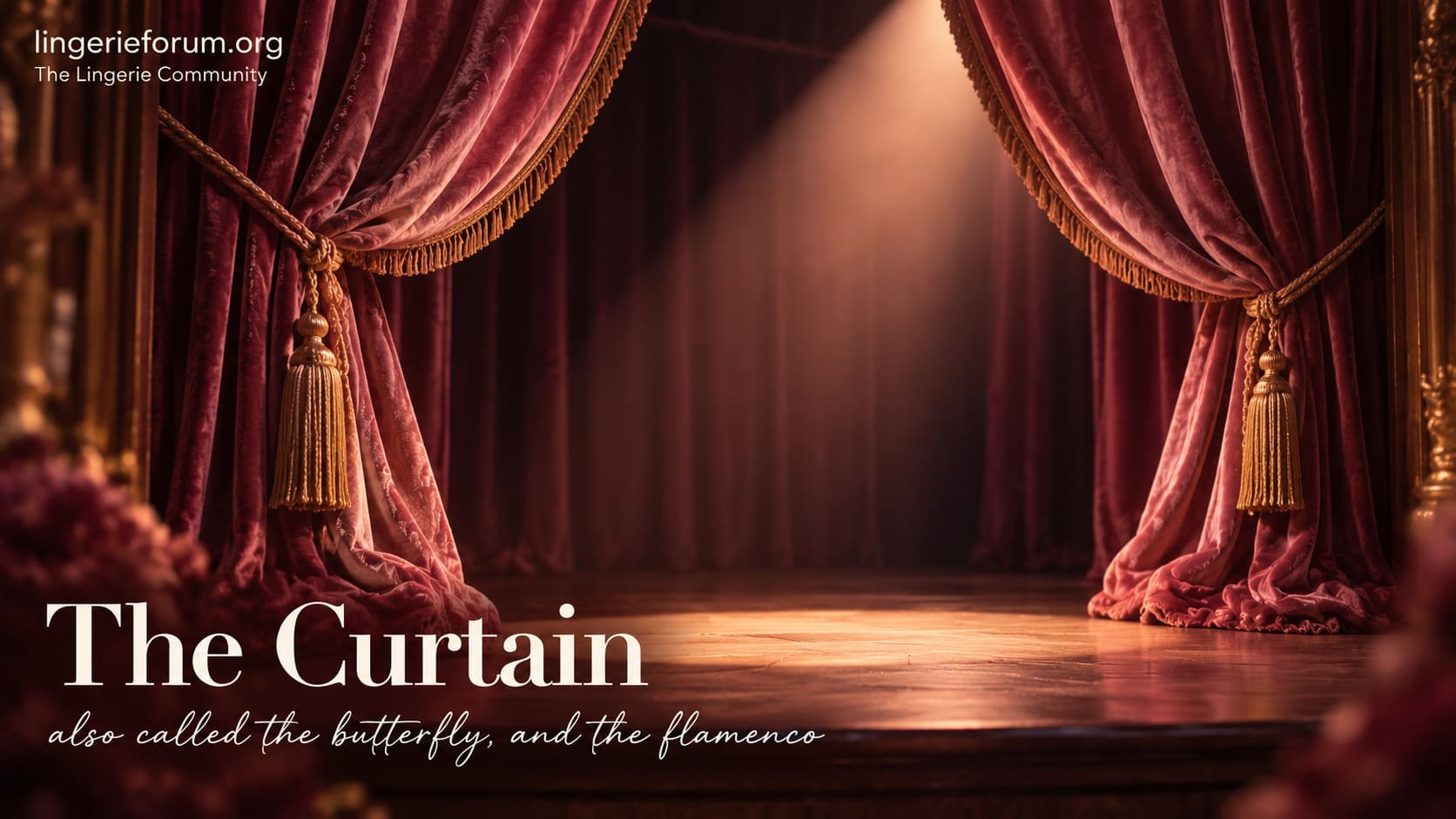
Heavy rose velvet theatre curtains drawn softly open on a warm-lit stage.

The Curtain Vulva: Also Called the Butterfly, and the Flamenco

The curtain is the vulva shape where the inner lips extend past the outer lips, like curtains drawn open, and on the original list it is the most common of the five. Where the name comes from, the lovelier names other languages give it, butterfly and flamenco, and the artist who made the butterfly a symbol of women's strength.

Editorialยท17d agoโค๏ธ 0๐Ÿ’ฌ 0
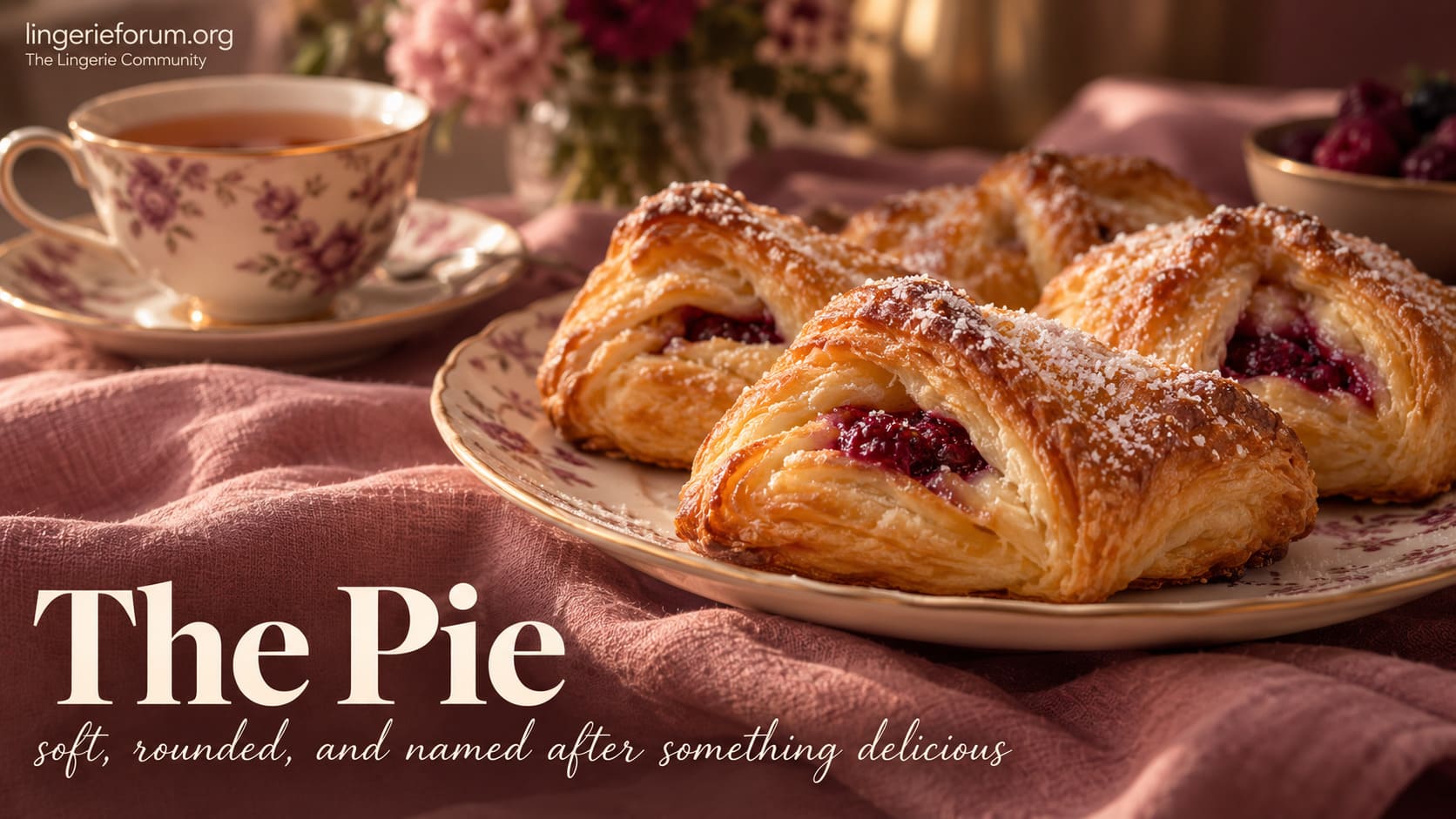
A plate of golden, freshly baked puff pastries dusted with sugar on a rose linen cloth, soft morning light.

The Pie Vulva (Also Called Puffs): Soft, Rounded, and Named After Something Delicious

The pie, first called puffs, is the vulva shape where the inner lips sit hidden within soft, rounded outer lips that rest a little lower. Where the name comes from (a round trip through Russian pastry words), how to recognise it, and why so many languages, from Russian to a Japanese dialect, have named this part of the body after something sweet and freshly baked.

Editorialยท15d agoโค๏ธ 0๐Ÿ’ฌ 0