Should You Avoid Exercise on Your Period?
No source we read says you should. The NHS and ACOG both list exercise as something that may ease period pain, and a Cochrane review found low-quality evidence that regular exercise may reduce it. Resting is fine too.
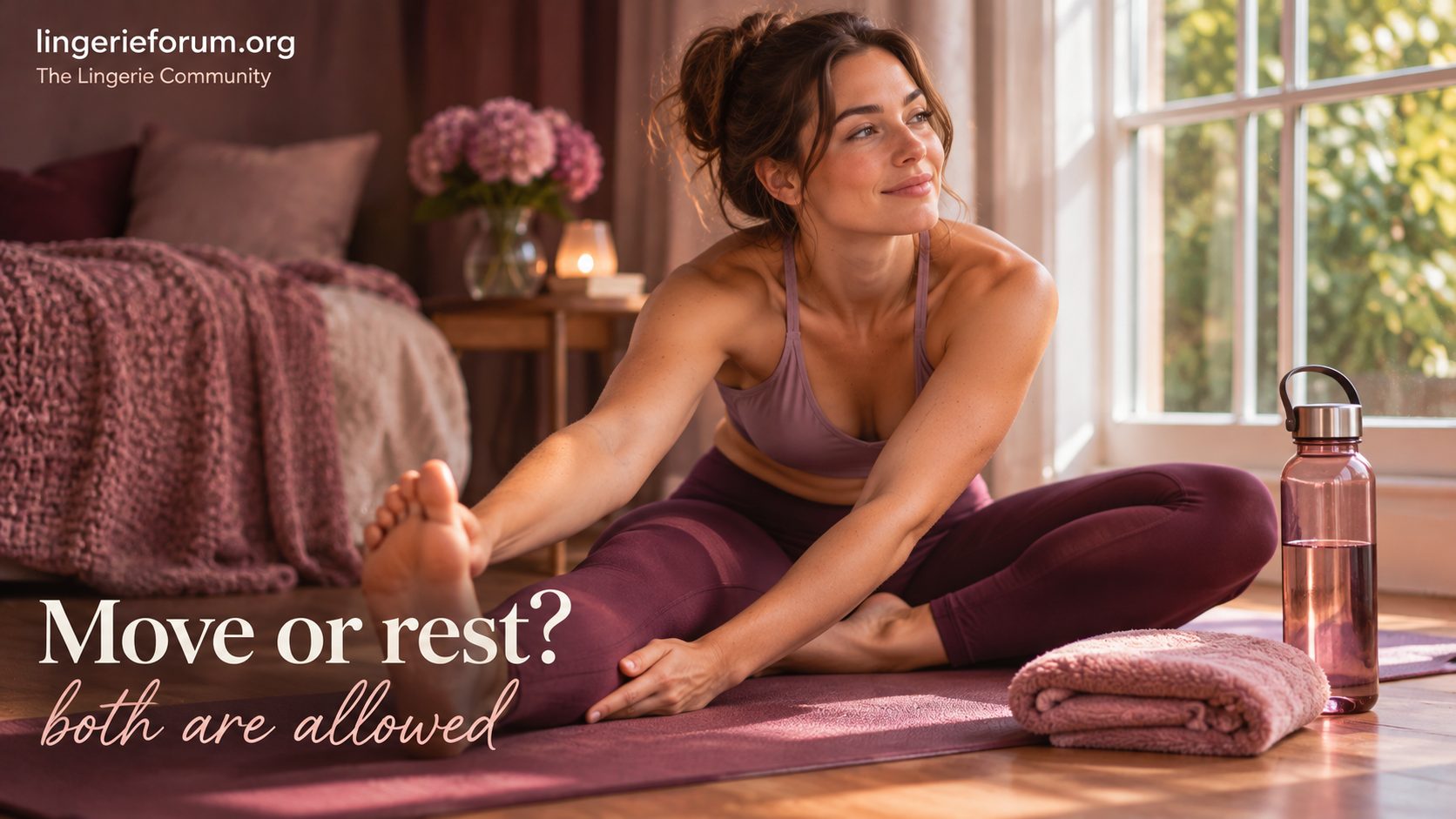
No health source we read says you should avoid exercise during your period. The NHS lists gentle exercise such as yoga, swimming, walking or cycling among the things that can help ease period pain, and ACOG suggests regular aerobic exercise for the same reason. Equally, nothing says you have to exercise: if your body wants rest, the sources offer other ways to feel better.
Where does the idea that you should not exercise on your period come from?
We could not trace the origin of this belief to any source we were able to check. Wanting to rest when you have cramps is understandable, and nothing below says that is wrong. The question is only whether exercise does harm, and the sources do not say that it does.
What does the NHS say about exercise and periods?
The NHS page on period pain lists things you can do to help ease it. One of them is to "try some gentle exercise like yoga, swimming, walking or cycling." The same list includes having a warm bath or shower, using a heat pad or a hot water bottle wrapped in a tea towel on your tummy, massaging your tummy and back, and using painkillers like paracetamol or ibuprofen.
For premenstrual syndrome, the symptoms some women get in the weeks before a period, the NHS puts exercising regularly first on its list of things to try, alongside a balanced diet, plenty of sleep, and yoga or meditation to reduce stress.
What does ACOG say?
ACOG's FAQ on painful periods lists exercise among the things you can do at home: "Exercising most days of the week can make you feel better. Aerobic workouts, such as walking, jogging, biking, or swimming, help produce chemicals that block pain."
The same page explains what causes ordinary period cramps. Natural chemicals called prostaglandins, made in the lining of the uterus, cause its muscles and blood vessels to contract. Their level is high on the first day of a period and falls as bleeding continues, which is why pain tends to ease after the first few days.
What does the research say about exercise for period pain?
A 2019 Cochrane review, Exercise for dysmenorrhoea, pulled together 12 trials with 854 women who had moderate to severe period pain. The trials used low-intensity exercise such as stretching, core strengthening or yoga, or higher-intensity exercise such as Zumba or aerobic training.
The reviewers found that exercise may have a large effect on reducing period pain compared with no exercise, and that this is likely to be clinically meaningful. They are clear that the evidence is low quality. Their conclusion is that exercise for about 45 to 60 minutes, three times a week or more, regardless of intensity, may reduce period pain, and that women may consider it, alone or alongside other approaches such as anti-inflammatory painkillers.
Two details in that review matter for this question:
- All the studies used exercise regularly throughout the month, and some asked women not to exercise during their period. So the trials mostly tested exercise across the cycle, not exercise on the days of bleeding specifically.
- The reviewers say it is unclear whether the benefits last after exercise stops, or whether they are similar in women over 25.
They were also uncertain whether there is any difference in side effects between exercise and no treatment.
So is exercise during a period harmful?
None of the sources we read say so. The NHS lists swimming, walking, cycling and yoga as ways to ease period pain, which are things you would be doing during your period. ACOG says exercising most days of the week can make you feel better. Neither page describes a reason to stop during bleeding.
What the sources do not give is evidence specifically comparing exercise during a period with rest during a period. The Cochrane review notes that some of its trials asked women not to exercise on those days, so that question has not been answered by the trials it included. We will not claim more than that.
What if I just do not feel like it?
Then do not. The NHS lists a warm bath or shower, heat on your tummy, massage and painkillers as other ways to ease period pain (NHS). ACOG says getting enough sleep before and during your period can help you cope with discomfort (ACOG). Moving and resting are both on the list. You do not owe anyone a workout.
When should I see a doctor about period pain?
The NHS says to ask for an urgent GP appointment or get help from NHS 111 if your pelvic or period pain is severe or worse than usual and painkillers have not helped.
It says to see a GP if:
- your periods become more painful, heavier or irregular
- your period pain is stopping you doing your usual daily activities
- you have pain during sex, or when peeing or pooing
- you are bleeding between periods
- you have noticed a change in how much you are peeing or pooing
- you have a swollen tummy
- you have loss of appetite
- you are losing weight without trying
The NHS says period pain is often a normal part of the cycle, but it can sometimes be caused by conditions such as endometriosis, adenomyosis, fibroids or pelvic inflammatory disease. ACOG adds that pain caused by a condition tends to get worse over time and often lasts longer than normal cramps (ACOG).
The short version
No source we read says to avoid exercise during your period. The NHS lists gentle exercise like yoga, swimming, walking or cycling as a way to ease period pain, and ACOG suggests exercising most days of the week. A Cochrane review found low-quality evidence that regular exercise may reduce period pain, though its trials tested exercise across the month rather than on period days specifically. If you would rather rest, warmth, massage and sleep are on the list too.
Sources
- NHS, Period pain - gentle exercise and other ways to ease period pain, causes, when to see a GP.
- NHS, PMS (premenstrual syndrome) - regular exercise among things to try.
- ACOG, Dysmenorrhea: Painful Periods - exercise most days, prostaglandins, sleep, pain from other conditions.
- Armour M et al, 2019, Exercise for dysmenorrhoea, Cochrane review (PubMed) - 12 trials, low-quality evidence that exercise may reduce period pain.
This article describes what those sources say. It is not medical advice, and it is not a substitute for a doctor, nurse or pharmacist.
Comments
Loading comments...